Trusted Mental Health Support for Teens, Veterans & Families

Providing immediate support, confidential counseling, and trusted mental health resources for individuals, teens, veterans, and families  whenever you need it most.

About Kay

Breaking Barriers & Building Hope. Kay’s Journey to Mental Health Advocacy.

Kay, a compelling mental health advocate and author, is the visionary founder of The Experience, a newly launched brand dedicated to Mental Health Awareness and Suicide Prevention. Drawing on her own battles with untreated anxiety and depression, Kay’s journey is one of resilience and triumph—highlighting the profound connection between mental and spiritual components of human existence.

Our Service

Offering reliable mental health support through crisis hotlines, counseling guidance, teen and veteran care, workplace programs, and telehealth resources.

Counseling & Therapy Guidance

Find step-by-step directions on accessing therapists through insurance, Medicaid, or community resources.

Telehealth & Virtual Counseling

Explore affordable options for online counseling, tele-sessions, and virtual care with cost guidance.

24/7 Crisis Hotlines

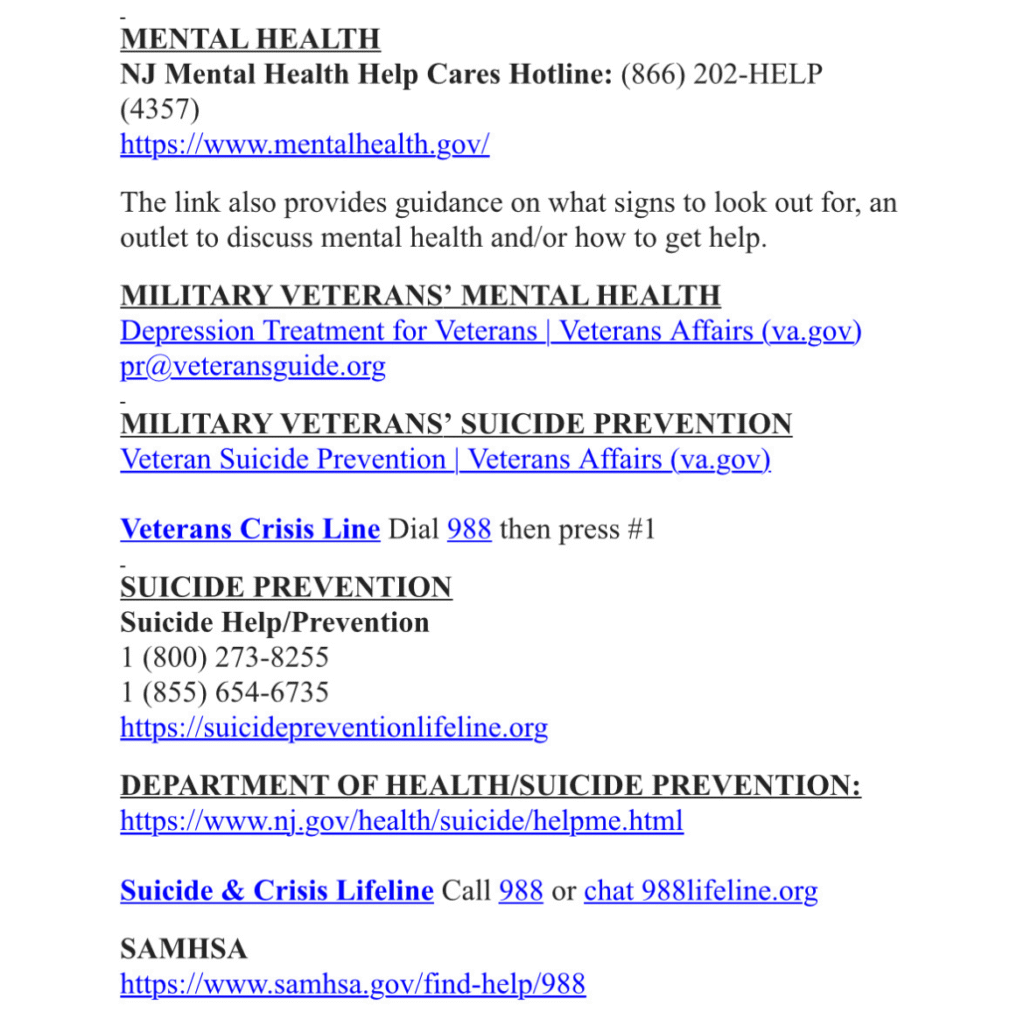
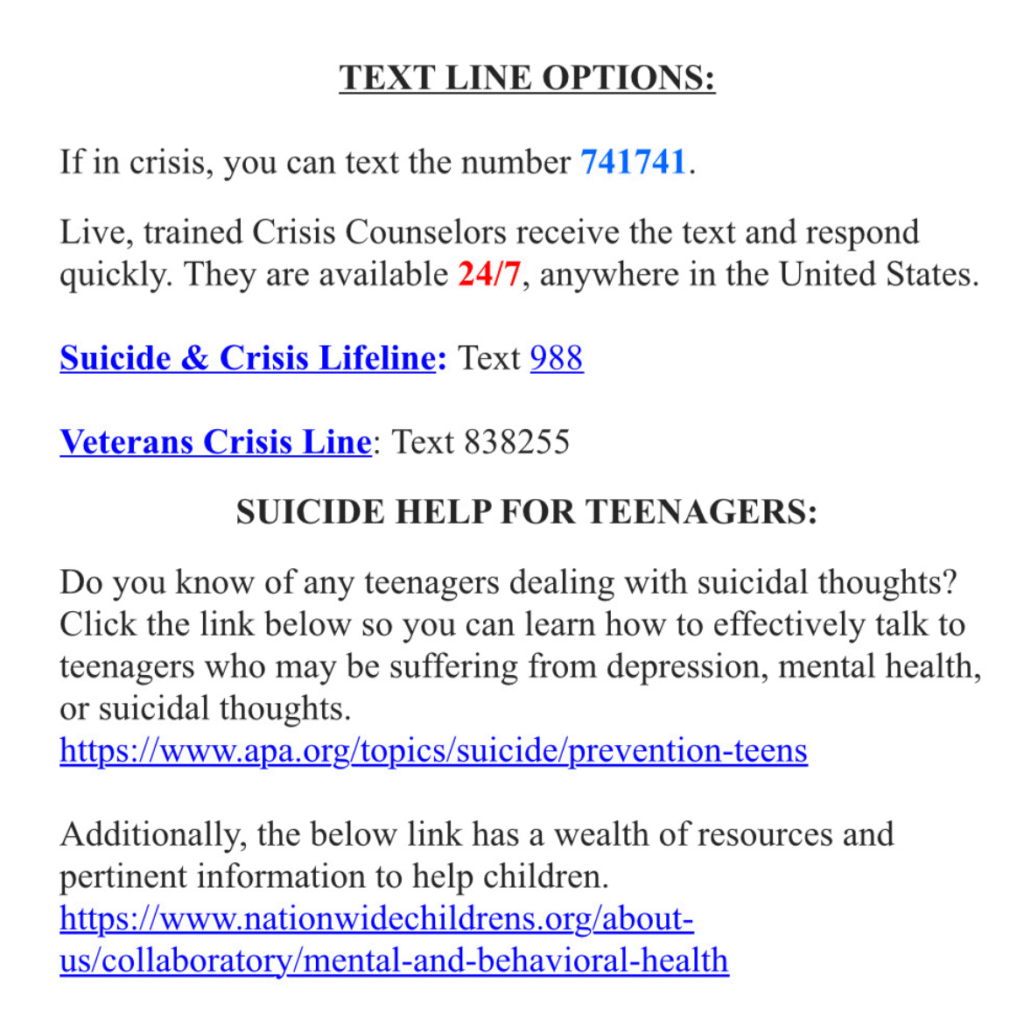
Get immediate help anytime with national and local hotlines, including 988, 741741, and veteran-specific support.

You Are Not Alone

Real stories, real voices. Watch inspiring journeys that remind us healing is possible—and that no one has to walk this path alone.

Frequently Asked Questions?

If you are in immediate danger of harming yourself or others, call 911 (US) right away. For confidential support, you can call or text 988 to connect with the Suicide & Crisis Lifeline, available 24/7.

Look at the back of your insurance card and call the member services number. Ask for in-network mental health providers near you. You can also search your insurance company’s online directory.

If you are a Medicaid holder, speak with your caseworker to learn which services are covered and how to access them. Many states also provide hotlines and local clinics at little or no cost.

Yes. Veterans can call the Veterans Crisis Line by dialing 988 and pressing 1. You can also access counseling and treatment options through the U.S. Department of Veterans Affairs (VA.gov).

Our Client

“Real stories from individuals, parents, and veterans who have used our resources to find hope, guidance, and the support they needed. Their experiences reflect the impact of timely help and compassionate care.”

When I felt completely lost, this site guided me to the right hotline and local counselor. It made me realize I wasn’t alone, and support was just a call away.

Sarah M. New Jersey

As a veteran, finding mental health support can be overwhelming. This resource hub connected me directly to the Veterans Crisis Line. It truly changed my life.

James R. U.S. Army Veteran

My teenage daughter was struggling, and I didn’t know how to help. The information and guidance here gave me the tools to talk to her and connect with professional support.

Lisa P. Parent

Send A Message

Resources - Get The Help You Deserve

Veterans’ Mental Health: Finding Support and Care You Can Trust

Veterans often face unique challenges when it comes to mental health, including post-traumatic stress disorder (PTSD), depression, anxiety, and the effects of reintegration into civilian life. Transitioning from military service to everyday life can be overwhelming, and many veterans may struggle to access the care and support they need.

Top Resources for Teen Mental Health and Emotional Support

Teenagers today face a wide range of mental health challenges, including stress from school, social pressures, family dynamics, and the effects of social media. These challenges can sometimes lead to anxiety, depression, or feelings of isolation.

How to Recognize the Signs of a Mental Health Crisis

Mental health crises can affect anyone at any time, and recognizing the warning signs early can make a crucial difference in providing timely support and care. These situations may involve severe emotional distress, suicidal thoughts, or behaviors that indicate someone is struggling to cope with everyday life.
Scroll to Top